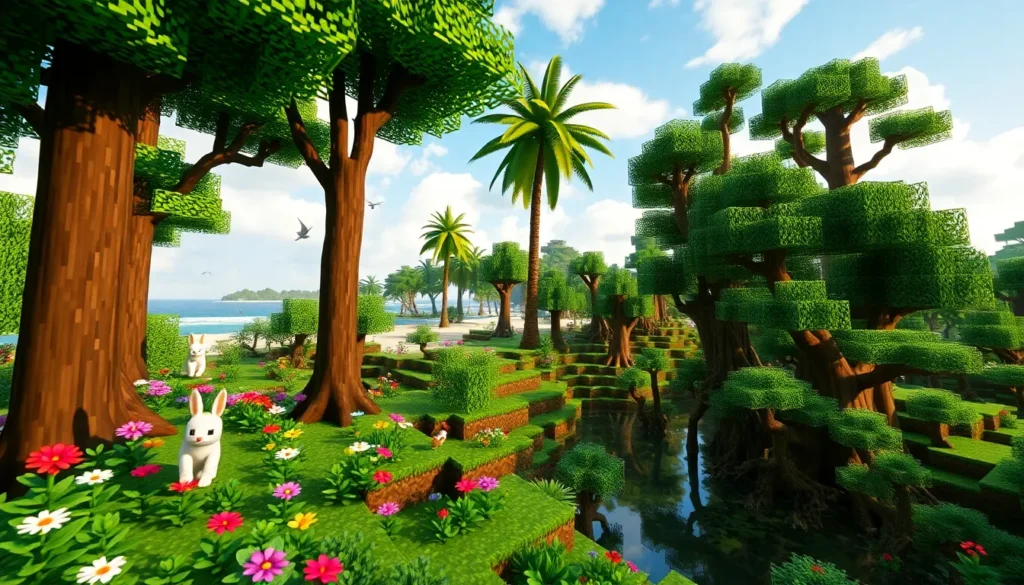
In the vast digital universe of Minecraft, biomes are the quirky personalities that make every blocky adventure unique. From the sun-kissed beaches of the Tropical biome to the eerie depths of the Swamp, these environments offer more than just eye candy; they’re a treasure trove of resources, hidden secrets, and endless possibilities. Imagine building a cozy cottage in a flower-filled meadow or battling mobs in a dark, ominous forest.
Overview Of Minecraft Biomes
Minecraft biomes offer diverse environments that enhance gameplay through unique features, aesthetics, and resource availability. Each biome significantly impacts player experience and strategy.
Definition And Importance
Biomes define specific geographic areas within Minecraft, each featuring distinct climate characteristics, vegetation, and terrain types. Understanding biomes is crucial for resource gathering, exploration, and survival tactics. Players benefit from knowing which biomes provide specific materials, like wood, stone, or food sources. Additionally, biomes encourage creative building, as environments inspire architectural design. Environments offer varied weather patterns and animal habitats, affecting gameplay dynamics.
Types Of Biomes
Minecraft includes several types of biomes, ranging from temperate forests to arid deserts. Notable biome categories encompass:
- Grassland biomes: Home to open fields and plains, ideal for farming.
- Desert biomes: Characterized by minimal vegetation and sandy terrain, featuring cacti.
- Mountain biomes: Rugged landscapes filled with high peaks, offering resources like coal.
- Tropical biomes: Lush environments featuring vibrant flora and fauna, including palm trees.
- Swamp biomes: Mystical areas with waterlogged ground, home to unique wildlife.
Each biome is unique, providing a variety of gameplay opportunities and aesthetic appeal.
Major Biome Categories
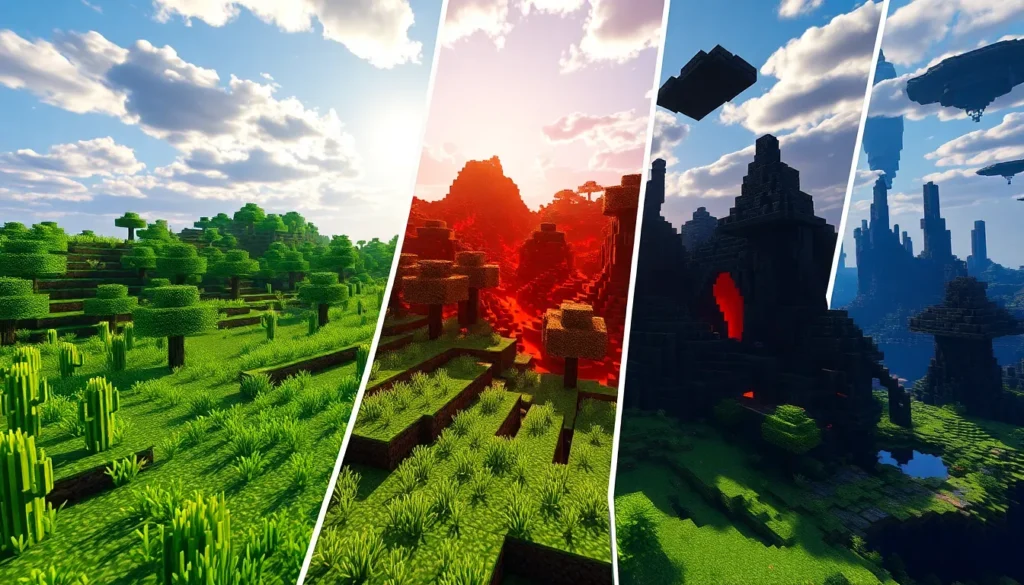
Minecraft features three major biome categories, each offering unique environments and experiences. These categories include Overworld biomes, Nether biomes, and End biomes, each contributing distinct resources and challenges to gameplay.
Overworld Biomes
Overworld biomes encompass a variety of landscapes, from grasslands to deserts. Grassland biomes provide ample resources for building and farming, while deserts hold valuable items like cacti and temples. Players encounter forests featuring tall trees housing various animals. Unique features like mountains and lakes enhance the diversity of these biomes. Each setting invites exploration and creativity.
Nether Biomes
Nether biomes exist in a fiery, otherworldly landscape, distinct from the Overworld. The Nether wastes appear barren, yet hidden treasures await discovery. Players can find unique resources such as Nether quartz and soul sand. The Biomes like crimson forests and warped forests introduce rare materials and hostile mobs. Each biome presents challenges, rewarding adventurers with items crucial for progression.
End Biomes
End biomes form an eerie landscape, characterized by the End dimension. Players encounter the End islands with floating landmasses. Unique elements like End stone and obsidian pillars dominate these areas. The Ender Dragon serves as a formidable boss in this realm. Players can gather valuable Ender pearls from Endermen, further enhancing their gameplay experience. Each biome demands strategy and preparation.
Notable Biomes In Minecraft
Minecraft features a variety of biomes, each offering unique resources, challenges, and landscapes that enhance gameplay. Players encounter fascinating environments that contribute to the game’s diverse experiences.
Forest Biome
Forest biomes are lush with tall trees, vibrant flowers, and abundant wildlife. Players often find oak, birch, and spruce trees providing wood for crafting. These biomes support various animals, including chickens and pigs, essential for food and materials. Dense foliage creates natural shade, making exploration enjoyable. Additionally, players can discover hidden caves and resources like coal. Forests serve as excellent locations for building due to their beauty and resource availability.
Desert Biome
Desert biomes present vast sandy landscapes, characterized by cacti and sparse vegetation. Players frequently encounter temples containing treasures and dungeons filled with hostile mobs. Sunlight shines intensely in these areas, making water scarcity a crucial concern. Oasis locations can provide hydration, housing secret resources. Desert biomes might challenge players with hostile conditions, yet they reward adventurers with unique items like dead bushes and desert fossils.
Snowy Tundra Biome
Snowy tundra biomes feature frigid temperatures and blanket everything with snow. Players often see igloos and polar bears roaming these icy lands. This biome offers unique materials, such as ice and packed ice blocks, necessary for various builds. Exploration might reveal hidden structures, like snow villages, making them intriguing areas for adventurers. Surviving in the tundra requires warmer clothing and careful resource management due to extreme cold.
Jungle Biome
Jungle biomes burst with dense foliage and towering jungle trees, providing a vibrant setting for exploration. Players spot unique wildlife, including parrots and ocelots, adding life to the environment. High trees offer coconuts and bamboo, vital for crafting handy items. This biome also features temples guarding treasure and advancements. Navigating through thick vegetation can be challenging but rewarding, leading to hidden resources and exciting discoveries.
Biome Features And Resources
Biomes in Minecraft showcase distinct features and resources, contributing to a rich gameplay experience. Each biome provides unique advantages and challenges through climate, flora, and fauna.
Climate And Weather Patterns
Different biomes exhibit various climate types. Grassland biomes experience temperate weather with rain and sunshine. In contrast, desert biomes endure extreme heat and minimal rainfall. Snowy tundras feature frigid temperatures with frequent snow, affecting mobility and survival. Tropical biomes showcase humid conditions, encouraging lush vegetation growth. Weather patterns influence resource availability and the types of mobs players encounter, making each biome feel alive and immersive.
Flora And Fauna
Diverse flora and fauna characterize Minecraft’s biomes. Forest biomes host an array of trees like oak and birch, along with wildlife such as sheep and cows. Deserts feature sparse vegetation like cacti and occasional shrubs, with mobs like husks lurking. Snowy tundras produce unique items like ice and packed ice while sheltering polar bears and rabbits. Tropical biomes burst with vibrant plants such as cocoa beans and palm trees, accompanied by exotic animals like parrots and ocelots. These dynamic ecosystems enhance exploration and resource gathering, enriching each player’s experience.
Minecraft biomes play a crucial role in shaping the game’s immersive experience. Each biome offers unique landscapes and resources that encourage players to explore and innovate. From the lush Forests to the arid Deserts every environment presents its own set of challenges and opportunities.
As players navigate these diverse ecosystems they’ll discover new strategies for survival and creativity. The variety of biomes not only enhances gameplay but also inspires a sense of adventure and discovery. Embracing the beauty and complexity of these biomes is essential for anyone looking to fully enjoy all that Minecraft has to offer.