Table of Contents
ToggleMinecraft in its vanilla state is phenomenal, but anyone who’s spent hundreds of hours mining and building knows the itch for something more. That’s where Minecraft mods come in. These user-created modifications let you add new blocks, mobs, mechanics, and entirely new dimensions to explore. Whether you’re chasing better visuals, fixing quality-of-life annoyances, or overhauling gameplay entirely, there’s a mod for it. The modding scene has exploded in 2026, and finding the right mods to enhance your experience without tanking your FPS or crashing your world can feel overwhelming. This guide breaks down the essential mods worth your time, how they work, and how to install them safely.
Key Takeaways
- Minecraft mods are community-created modifications that enhance gameplay through new blocks, mobs, mechanics, and dimensions, requiring a mod loader like Forge or Fabric to work on Java Edition.
- Quality-of-life mods such as JEI, ModMenu, and inventory helpers eliminate friction by streamlining crafting recipes, mod configuration, and item management without changing core gameplay.
- Performance mods like Sodium and Iris on Fabric can improve FPS by 50-200% compared to vanilla, making them essential for smooth gameplay on mid-range hardware.
- Always download Minecraft mods from trusted sources like CurseForge or Modrinth, ensure version compatibility between your loader and mod versions, and add mods one or two at a time to avoid crashes.
- Building mods such as WorldEdit and Litematica transform construction by enabling blueprint saving, massive area editing, and advanced placement tools that speed up megabase creation.
- Shader packs supported by OptiFine or Iris add jaw-dropping visuals with realistic water and dynamic shadows, but require the performance optimizations mentioned above to maintain playable frame rates.
What Are Minecraft Mods and Why You Need Them
Minecraft mods are modifications created by the community that change how the game plays, looks, or feels. They range from simple quality-of-life tweaks, like sorting your inventory faster, to massive overhauls that add hundreds of new items, mobs, and biomes. The key thing to understand is that mods are almost exclusively for Minecraft Java Edition. Bedrock Edition (console, mobile, Windows 10/11) has some limitations, though options like resource packs and marketplace content exist as alternatives.
To use mods, you’ll need a mod loader, essentially software that lets Java Edition read and activate mods. The two biggest loaders are Forge and Fabric. Forge is the traditional choice and supports a huge library of mods, while Fabric is newer, lighter, and increasingly popular because it runs cleaner and faster on lower-end systems. Both require you to match the loader version with your Minecraft version: mods are version-specific, so a mod built for 1.20 won’t work on 1.19.
Why bother? Vanilla Minecraft is great, but mods let you tailor the game to your playstyle. Love building? Grab world-editing and schematic tools. Hate lag? Install optimization mods. Want your Minecraft mobs to feel more alive? There are behavior mods for that too. The modding community has had years to refine the experience, and the result is that you’re not adding random junk, you’re upgrading specific parts of a game you already love.
Essential Mods for Quality of Life and Gameplay
The first mods most players install aren’t flashy, they’re the ones that stop you wanting to rip your hair out.
Inventory Management mods like REI’s Minimap and storage helpers make sorting items and accessing chests from distance far less painful. Instead of scrolling through dozens of items, you can jump straight to what you need. These aren’t just convenience: they’re sanity savers when you’re juggling 20 chests of resources.
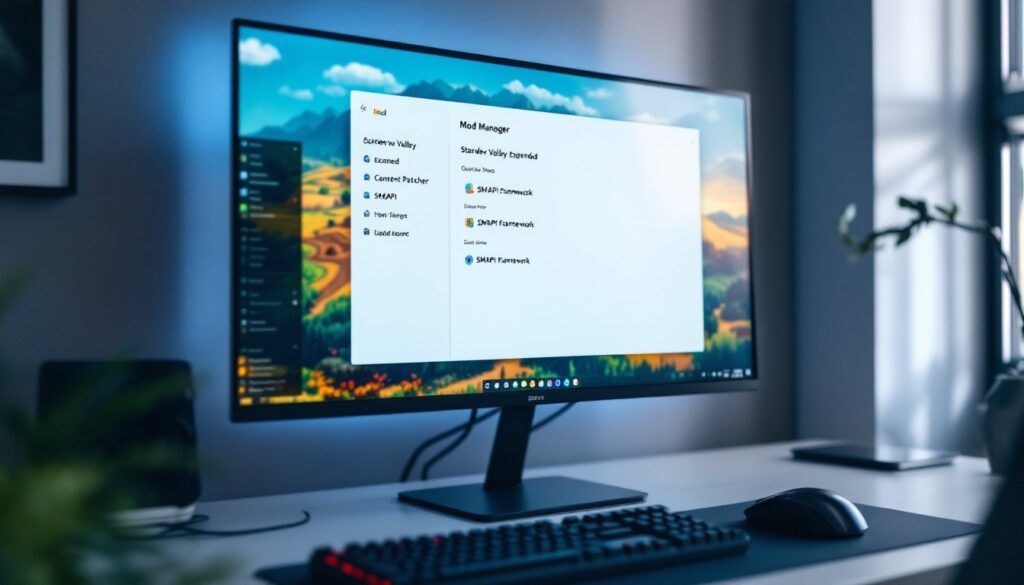
UI and Menu mods improve how you interact with settings and mod configurations. ModMenu is essential here, it gives you a clean interface to see all your installed mods, tweak settings, and toggle mods on-the-fly without restarting your world. On a practical level, this alone saves you hours of tinkering.
Recipe and Information mods like JEI (Just Enough Items) let you see exactly how to craft items without alt-tabbing to a wiki. Hover over an item, see its recipe, and click to craft it. This alone cuts crafting time in half and eliminates the frustration of forgetting how to make something obscure.
Minimap mods add a small on-screen map so you can navigate without constantly checking your full map. Knowing where north is and spotting landmarks makes exploration feel less like wandering in the dark.
These mods don’t change core gameplay, they just remove friction. Players using Minecraft Mods List: Discover often find that a few quality-of-life mods make hundreds of hours feel fresh again.
Top Performance and Graphics Enhancement Mods
Building and Creation Tools
Building in vanilla Minecraft works, but it’s tedious. Building mods like WorldEdit and Litematica change that. Litematica lets you save schematics, blueprints of structures, and paste them into your world with precise control. WorldEdit is the older standard and works across servers: it lets you select massive areas and edit them instantly, perfect for terraforming or copy-pasting patterns.
Advanced block placement mods add features like rotation tools and symmetry helpers, turning Minecraft building into something closer to professional architecture software. If you spend time on megabases, these mods are non-negotiable.
Performance mods are equally important. OptiFine has been the go-to for years on Forge, it’s optimized rendering, better chunk loading, and shader support. But, Iris and Sodium on Fabric have largely outpaced it for raw FPS gains. Iris handles shaders while Sodium handles rendering optimization. Together, they’re a 1-2 punch that can double your FPS on mid-range hardware.
Entity culling mods stop your GPU from rendering mobs, items, and particles you can’t see. When you’re standing near a farm with thousands of mobs, this is the difference between 60 FPS and 10 FPS. Cull Less Leaves does a similar trick for foliage, speeding up rendering in dense forests.
If you want jaw-dropping visuals, shader packs (supported by OptiFine or Iris) add realistic water, dynamic shadows, and atmospheric effects. Packs like Continuum RTX or BSL Shaders can make vanilla Minecraft look almost like a different game. Fair warning: they’re demanding, and your FPS will tank without the performance mods listed above.
Recent benchmarks show that using Fabric with Sodium and Iris can improve FPS by 50-200% compared to vanilla, depending on hardware. This isn’t speculation, players testing minecraft mods download options consistently report these improvements.
How to Install and Manage Mods Safely
Installation is straightforward if you follow steps. First, download Minecraft Java Edition for your version (check your launcher). Next, grab Forge or Fabric for that version from the official sites, never use sketchy third-party mirrors. Run the installer and let it modify your installation.
Now, open your .minecraft folder (type %appdata% on Windows and navigate to .minecraft: on Mac/Linux, it’s in your Library). Look for the mods folder. If it doesn’t exist, create it. Download mods from trusted sources only: CurseForge, Modrinth, or the mod creator’s official page. Never download from random gaming sites offering “compressed” mod packs, these often bundle malware or outdated versions.
Drag downloaded .jar files into your mods folder. Start Minecraft, select the Forge or Fabric profile, and hit play. If the game crashes, check the crash report log (it’s in .minecraft/logs/). Most crashes are due to version mismatches or missing dependencies.
Pro tips:
- Add mods one or two at a time and test before adding more. This makes troubleshooting crashes way easier.
- Read the mod description, it tells you if it requires other mods or is incompatible with specific versions.
- Keep a backup of your world before updating mods. Incompatibilities can corrupt saves.
- Use Mod Menu to see installed mods and toggle them without restarting.
- Check community sites like Nexus Mods for top mods ranked by users, this saves you from buried gems and prevents downloading dead projects.
Version compatibility is crucial. A mod built for 1.20 with Fabric won’t work on 1.19 or on Forge. Always match your loader, version, and mod versions. When new Minecraft versions drop, popular mods usually update within days, but some die out. Checking release dates on CurseForge tells you if a mod is actively maintained.
PC Gamer and other major outlets often feature modding guides, but your best resource is the community Discord servers for Fabric and Forge, they’re packed with people who can troubleshoot specific crashes in minutes.
Conclusion
Minecraft mods aren’t optional extras, they’re essential if you want to keep the game fresh after your first hundred hours. Whether you’re optimizing performance, adding minecraft mobs with new AI, or building structures that would take weeks in vanilla, mods transform how you play. Start with quality-of-life mods, add performance boosters if you’re lagging, and branch out from there. Stick to trusted sources, match your versions, and you’ll have a stable, enhanced experience. The modding community in 2026 is stronger than ever, and your next favorite mod is probably waiting for you on CurseForge right now.