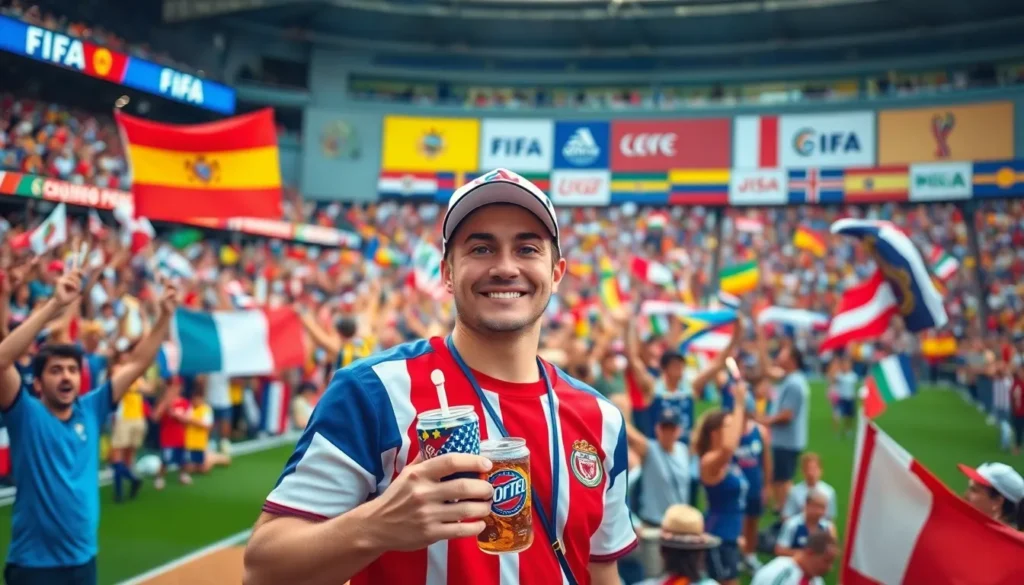
When it comes to the world of soccer, FIFA is the ultimate referee, calling the shots on the pitch and off. But behind every thrilling match and iconic goal, there’s a squad of official sponsors ready to kick in their support. These brands don’t just splash their logos on jerseys; they bring the excitement of the game to life, turning every tournament into a global spectacle.
Overview of FIFA Official Sponsors
FIFA’s official sponsors play a vital role in elevating the tournaments’ prominence. Sponsorship involves diverse companies across multiple industries, contributing financially and supporting events globally. Prominent brands like Coca-Cola and Adidas are recognized for their longstanding partnerships.
Financial backing from sponsors facilitates significant infrastructure improvements within host countries. Innovative marketing campaigns developed by these brands enhance viewer engagement during major events, creating memorable experiences. Companies such as Hyundai and Budweiser provide exclusive promotions that resonate with fans worldwide.
During the FIFA World Cup, official sponsors gain immense visibility through advertising on various platforms. Logo placements on merchandise and stadiums reinforce brand awareness among international audiences. Additionally, sponsors invest in community initiatives that promote soccer at the grassroots level.
FIFA ensures sponsors adhere to specific guidelines, maintaining the integrity of the tournament. This structured approach fosters trust between FIFA and its partner brands. Evaluating sponsor performance aligns with FIFA’s objectives, ensuring a mutually beneficial relationship.
Celebrating the partnership between FIFA and its sponsors highlights the symbiotic nature of the collaboration. Ultimately, the fusion of soccer and commercial support amplifies the global appeal of the sport, promoting unity among fans and brands alike.
Major Sponsors
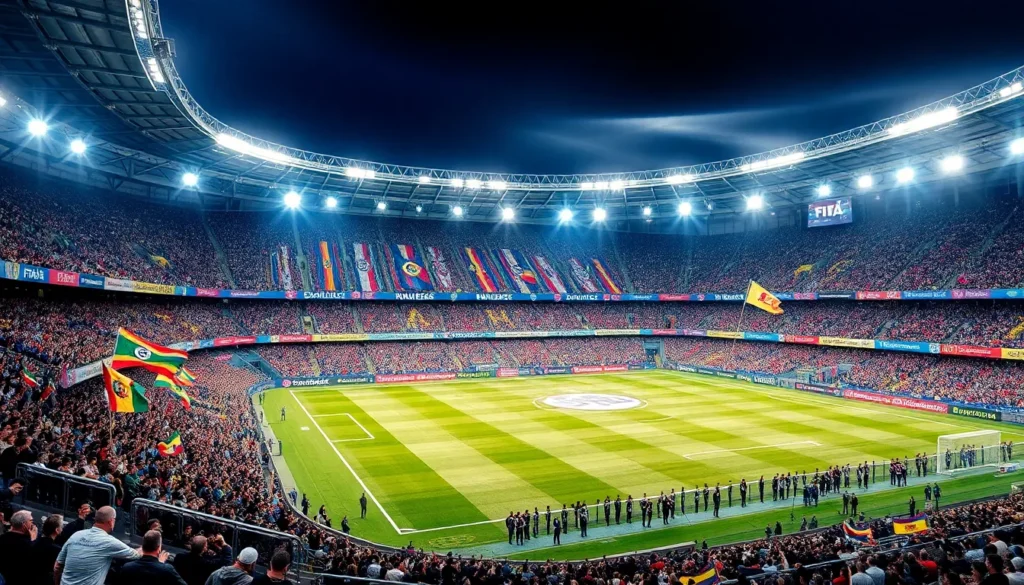
FIFA’s official sponsors play a crucial role in elevating the global soccer experience. Their support brings substantial financial resources and enhances the excitement of tournaments.
Sponsorship Categories
FIFA offers various sponsorship categories. These include top-tier partnerships, official partners, local sponsors, and tournament suppliers. Top-tier sponsors enjoy exclusive rights and prominent visibility during events. Official partners collaborate closely to promote FIFA’s initiatives. Local sponsors focus on specific geographic areas, while tournament suppliers provide essential services and products.
Key Benefits for Sponsors
Sponsors gain numerous advantages through their partnership with FIFA. Enhanced brand visibility occurs during high-profile tournaments, reaching millions of viewers worldwide. Targeted marketing campaigns reach diverse audiences. Increased brand loyalty develops as fans connect with endorsed products. Furthermore, participation in community initiatives fosters a positive brand image. Sponsors also benefit from association with FIFA’s prestigious legacy, reinforcing brand credibility.
Impact of Sponsorship on FIFA
Sponsorship significantly influences FIFA’s operations and global reach. Official sponsors provide critical financial support, enhancing tournament infrastructure and promoting events worldwide.
Financial Contributions
Financial contributions from official sponsors directly impact FIFA’s ability to host events. For example, sponsors invest millions in the FIFA World Cup preparations, supporting logistics and venue improvements. These funds ensure a seamless experience for teams and fans. Investment in local soccer programs also occurs, promoting the sport in host nations. Enhanced funds lead to better facilities and training resources, drawing increased participation at all levels. Collaboration between FIFA and sponsors guarantees sustainable growth in soccer, fostering long-term partnerships that benefit the global community.
Brand Visibility
Sponsors experience immense brand visibility during FIFA events. Major tournaments, such as the FIFA World Cup, attract billions of viewers worldwide, providing a massive audience for advertising campaigns. Exclusive rights granted to top-tier sponsors amplify their presence, allowing them to feature prominently in promotional materials. Increased brand awareness occurs as fans associate these brands with significant moments in soccer history. Innovative marketing strategies also help sponsors engage with audiences effectively, creating memorable experiences. Investment in digital platforms further enhances visibility, ensuring brands remain connected with younger demographics. Thus, the partnership with FIFA elevates sponsor visibility on a global scale.
Notable Sponsorship Deals
FIFA’s partnerships with official sponsors showcase successful collaborations that drive brand engagement and enhance tournament experiences.
Successful Campaigns
Coca-Cola exemplifies effective marketing during FIFA tournaments, using interactive experiences to engage fans. Adidas focuses on innovative product launches tied to key matches, captivating audiences with limited editions. Budweiser runs promotional campaigns that emphasize excitement and celebration, creating a festive atmosphere around the events. Each partnership transforms traditional advertising into immersive experiences, often leading to increased sales and brand loyalty. For instance, during the 2018 World Cup, sponsors utilized social media to create buzz, connecting directly with millions of fans and enhancing their visibility.
Long-term Partnerships
Long-standing collaborations significantly benefit FIFA and its sponsors. Visa, a key partner, has supported FIFA for over 30 years, enhancing payment solutions for fans attending events. This enduring relationship reinforces brand trust and loyalty as Visa consistently integrates soccer into its marketing strategies. Similarly, the partnership with Qatar Airways highlights the growth of global partnerships, connecting the airline with soccer fans worldwide. These lasting engagements enable focused marketing initiatives that resonate with audiences, amplifying brand messages effectively. The dedication of these sponsors ensures robust financial support, empowering FIFA to elevate the soccer experience globally.
Challenges and Controversies
Sponsorship deals often face scrutiny due to ethical concerns surrounding brands associated with FIFA events. Significant criticism arose over sponsors’ links to controversial issues, including labor rights and environmental impacts in host countries. Transparency becomes a focal point as critics demand clarity about how sponsorship funds are utilized, especially regarding their effects on local communities.
Moreover, public backlash sometimes targets sponsors involved with FIFA. Brands like Coca-Cola and Adidas experience increased pressure due to allegations against FIFA related to corruption and mismanagement. Activists urge these companies to reconsider their partnerships, citing reputational risks that accompany such associations.
Sponsorship practices can lead to monopolistic concerns, particularly when top-tier partners dominate promotional spaces. While major companies benefit from exclusivity, smaller brands struggle to gain visibility during high-profile tournaments. This dynamic creates an uneven playing field, often sidelining local sponsors who contribute positively to their communities.
Additionally, unexpected crises, such as political unrest or pandemics, pose challenges for sponsors. Events like the FIFA World Cup require adaptive marketing strategies to maintain audience engagement despite changing circumstances. Flexibility remains essential as companies navigate unforeseen obstacles that disrupt planned campaigns.
Lastly, brand alignment with FIFA’s values frequently comes into question. Misalignment risks alienating segments of the consumer base who view these partnerships critically. Reassessing brand values in light of public opinion ensures sponsors remain relevant and maintain consumer trust while endorsing FIFA’s initiatives.
Future of FIFA Sponsorships
FIFA sponsorships continue to evolve, adapting to changes in the global landscape. Emerging trends highlight the increasing importance of digital engagement and sustainability practices in sponsorship strategies. Innovative technologies, such as augmented reality, allow sponsors to create immersive experiences that deepen connections with fans.
The focus on sustainability plays a critical role in future partnerships. Brands often seek to tie their image to eco-friendly initiatives, enhancing both their reputation and the tournament’s impact. Major sponsors like Coca-Cola and Adidas are already taking steps in this direction, committing to reduce their environmental footprint.
Strategic collaborations with local communities are becoming more prevalent. Future sponsors are likely to engage in grassroots initiatives, addressing social issues while fostering brand loyalty among younger audiences. This commitment aligns with FIFA’s goals to promote soccer’s growth at all levels.
Data-driven marketing strategies will shape future campaigns. Understanding viewer demographics and preferences allows brands to craft tailored messages that resonate effectively. The increasing use of analytics equips sponsors to evaluate campaign performance and optimize engagement.
Brands are also expected to navigate challenges thoughtfully. Controversies related to past sponsorships might prompt a shift towards transparency and ethical considerations. As public scrutiny intensifies, aligning brand values with FIFA’s mission proves essential for maintaining consumer trust.
Overall, the landscape of FIFA sponsorships is set for transformation. Adaptability and innovation will define successful partnerships, ensuring both FIFA’s growth and enhanced experiences for fans worldwide.
FIFA’s official sponsors play a crucial role in shaping the global soccer landscape. Their financial support not only enhances tournament experiences but also fosters community engagement and infrastructure development. As the sponsorship landscape evolves, brands are increasingly focused on digital engagement and sustainability, ensuring they resonate with modern audiences.
The partnerships formed with FIFA are more than just transactional; they create immersive experiences that deepen connections with fans. With an eye on ethical practices and community impact, sponsors are navigating challenges while aligning their values with FIFA’s mission. This dynamic environment promises to redefine the future of sponsorship, driving growth and innovation in the world of soccer.