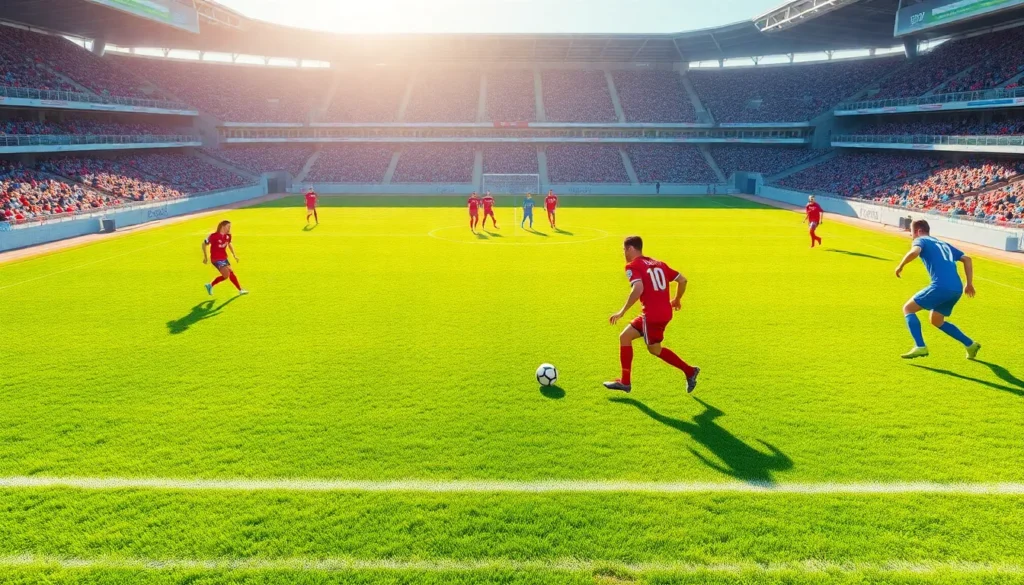
When it comes to FIFA pitch types, one might think it’s just grass and lines, but oh, how wrong they’d be! Imagine stepping onto a field that’s as smooth as a freshly ironed shirt or bouncy like a trampoline—each type has its own personality. From the lush green of natural grass to the synthetic wonders that can withstand a monsoon, the pitch sets the stage for the beautiful game.
Understanding these pitch types isn’t just for soccer aficionados; it’s crucial for players, coaches, and fans alike. After all, who wouldn’t want to know if their favorite team is playing on a surface that’s more slippery than a banana peel? Dive into the world of FIFA pitch types and discover how they can affect gameplay, strategy, and even your favorite team’s chances of glory.
Overview Of FIFA Pitch Types
FIFA pitch types encompass both natural and synthetic surfaces. Natural pitches primarily consist of grass, offering a traditional playing experience. These grass surfaces typically include Bermuda, Rye, and Kentucky Bluegrass. Players often prefer natural grass for its aesthetic appeal and softer feel, which can reduce the risk of injuries.
Synthetic pitches, on the other hand, utilize artificial fibers. These surfaces come in various forms, including 3G and 4G varieties. 3G pitches feature a mix of rubber and plastic, providing better shock absorption and durability. In contrast, 4G pitches include additional benefits like improved drainage and enhanced resistance to wear.
Factors such as climate and maintenance significantly influence pitch performance. For instance, natural grass thrives in specific climates, necessitating regular upkeep. Conversely, synthetic surfaces require less maintenance, making them suitable for diverse weather conditions.
The choice of pitch type impacts gameplay dynamics as well. Natural grass often leads to slower ball movement, whereas synthetic surfaces enhance ball speed and player traction. Coaches and players should evaluate these differences to devise effective strategies.
FIFA establishes specific criteria for pitch dimensions, including length and width, which vary based on the level of play. Regulation pitches measure between 100-110 meters in length and 64-75 meters in width for international matches. Understanding these dimensions helps teams prepare adequately for competition.
Natural Grass Pitches
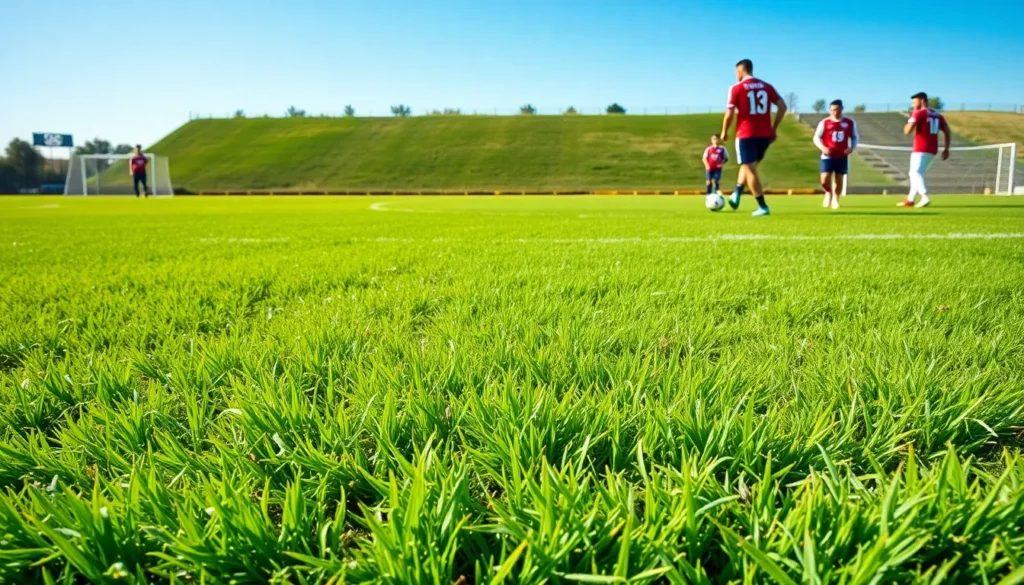
Natural grass pitches play a significant role in the world of football. These surfaces consist of various grass types, shaping the gameplay and player experience.
Characteristics
Natural grass pitches feature different grass species like Bermuda, Rye, and Kentucky Bluegrass. These grasses provide a softer feel, enhancing player comfort during matches. Turf color varies, typically appearing lush green under optimal conditions. Players often notice the unique texture, which can influence ball control and movement. Maintenance practices like mowing, watering, and fertilization affect pitch quality throughout the season. Weather conditions and climate also determine how well these pitches perform, impacting their usability during matches.
Advantages and Disadvantages
Natural grass pitches offer several advantages. Players appreciate the aesthetic appeal and softer surface, which may lower injury risks. They also improve ball control due to the surface’s natural texture. These pitches, however, come with certain downsides. Maintenance demands frequent care, leading to higher costs compared to synthetic options. Weather challenges may hinder playability, especially in wet or extremely dry conditions. Additionally, natural grass often results in slower ball movement compared to synthetic surfaces, influencing game dynamics. Understanding these pros and cons helps teams make informed decisions about their playing surface.
Artificial Turf Pitches
Artificial turf pitches provide a synthetic alternative to natural grass fields. These surfaces come in various types, each tailored to specific needs and playing conditions.
Types of Artificial Turf
Several categories of artificial turf exist, including 3G and 4G pitches. 3G surfaces consist of longer fibers with infill materials, offering suitable traction for a range of sports. 4G pitches feature a more advanced structure, usually incorporating additional shock-absorbent layers, perfect for high-impact activities. Other types include sand-dressed and sand-filled turfs, designed primarily for specific sporting requirements. Understanding these distinctions aids teams in selecting the appropriate pitch for their goals.
Pros and Cons
Artificial turf presents several advantages, including lower maintenance requirements compared to natural grass. Durability ranks among its key benefits, with ability to withstand heavy usage without wear. Moreover, these surfaces offer consistent playing conditions regardless of weather, which supports uninterrupted training and matches. On the flip side, artificial pitches may lead to increased injury risk due to surface hardness. Players often note a different ball feel on synthetic turf, which can affect gameplay dynamics. Evaluating these pros and cons assists teams in making informed choices that align with their objectives.
Hybrid Pitches
Hybrid pitches combine natural grass with synthetic fibers, creating a playing surface that enhances durability and performance. This type of pitch offers a balance between the aesthetic appeal of grass and the practicality of synthetic surfaces.
Benefits of Hybrid Systems
Hybrid systems deliver several advantages for teams and players. Improved wear resistance stands out, as these pitches withstand heavy usage without significant degradation. Players enjoy consistent playing conditions that enhance performance throughout the season. Additionally, hybrid pitches offer enhanced drainage, minimizing waterlogging during rain and ensuring a playable surface quickly after storms. Injury risk also decreases due to the stability provided by the underlying synthetic material. The combination of natural grass roots and artificial elements promotes healthy growth, ensuring a robust playing surface year-round.
Maintenance Considerations
Maintenance plays a crucial role in the longevity of hybrid pitches. Routine care involves mowing, fertilization, and irrigation to support the natural grass components. Regular inspection of the synthetic fibers ensures they remain secured, preventing issues that could affect performance. The maintenance frequency might vary depending on climate and usage levels, with high-traffic areas requiring more attention. Hybrid systems often demand less effort than natural grass fields, leading to cost-effective solutions for teams. Adopting a proactive maintenance approach maximizes performance and extends the pitch’s lifespan.
Comparison of FIFA Pitch Types
FIFA pitch types present varying performance and cost implications. Understanding these factors aids teams in making informed decisions.
Performance Factors
Natural grass pitches usually provide a softer feel, which enhances player comfort and reduces injury risks. Different grass varieties like Bermuda and Kentucky Bluegrass contribute to how the ball reacts during play. On the other hand, synthetic surfaces, such as 3G and 4G, offer faster ball movement and optimal traction. Durability is another critical element; synthetic pitches withstand heavy use without significant wear. Climate conditions also play a role, with natural grass affected by weather fluctuations, while synthetic pitches maintain performance during adverse conditions. Consequently, teams often prioritize natural over synthetic when considering player safety and playability.
Cost Implications
Natural grass pitches incur higher maintenance costs, primarily due to mowing, watering, and treatment needs for pests and diseases. These expenses can accumulate, especially in regions with challenging climates. Contrastingly, synthetic turf presents lower long-term costs, requiring less routine upkeep and irrigation. Initial installation costs may be higher for synthetic surfaces, but savings often offset this in the long run. Hybrid pitches blend both systems, balancing performance and maintenance demands, but they still require investment in upkeep for the grass elements. Teams must analyze these cost implications carefully to determine the most suitable pitch type for their situation.
Choosing the right FIFA pitch type is crucial for teams aiming to enhance performance and minimize injury risks. Each surface offers unique benefits and drawbacks that can significantly influence gameplay. Natural grass pitches provide a softer feel and aesthetic appeal but come with higher maintenance costs. Synthetic options deliver durability and consistent conditions, though they may pose increased injury risks. Hybrid pitches strike a balance, combining the best of both worlds while still requiring careful upkeep. By understanding these factors, teams can make informed decisions that align with their goals and enhance their competitive edge on the field.