Table of Contents
ToggleGlazed terracotta is one of Minecraft’s most overlooked decorative blocks, and that’s a shame. While most players chase after concrete or polished stone, glazed terracotta offers something no other block can: intricate, directional patterns that change based on how you place them. It’s the block equivalent of a puzzle, and once you understand how rotation works, you unlock design possibilities that make even the most basic builds feel custom-made.
But here’s the catch, glazed terracotta isn’t something you stumble upon in a cave. You have to craft it, smelt it, and then master its quirky placement mechanics. Most players give up after seeing how finicky the rotation can be, but stick with it and you’ll realize it’s one of the best tools for flooring, wall art, and accent features. Whether you’re building a modern mansion or a fantasy cathedral, glazed terracotta adds depth and visual interest that flat blocks can’t compete with.
This guide covers everything: how to craft all 16 color variants, the exact mechanics behind directional placement, pattern combinations that actually work, and creative ideas to use them in real builds. By the end, you’ll know more about glazed terracotta than 90% of the player base.
Key Takeaways
- Glazed terracotta features unique directional patterns that change based on placement orientation, making it essential for creating seamless, custom-designed floors and decorative features that flat blocks cannot replicate.
- To craft glazed terracotta, you must gather regular terracotta (best found in badlands biomes), dye it in a crafting table, then smelt the stained terracotta in a furnace or blast furnace.
- Each of the 16 glazed terracotta color variants has a distinct pattern—from symmetrical designs like white and cyan to abstract patterns like gray and magenta—allowing builders to create cohesive multi-block designs by aligning rotations.
- Glazed terracotta cannot be moved by pistons, making it uniquely valuable for redstone contraptions and adventure maps that require immovable decorative markers.
- Master the rotation mechanic by standing still and facing a consistent cardinal direction (north, east, south, or west) when placing each block to achieve symmetrical patterns or intentional kaleidoscope effects.
- Glazed terracotta works best when combined strategically with concrete or stained terracotta for accents, borders, or focal points rather than covering entire surfaces, keeping designs visually balanced and intentional.
What Is Glazed Terracotta in Minecraft?
Glazed terracotta is a decorative block introduced in Minecraft Java Edition 1.12 (also known as the World of Color Update, released in June 2017) and Bedrock Edition 1.1. Unlike regular terracotta or stained terracotta, glazed terracotta features unique geometric patterns on all four sides, and the pattern changes orientation based on the direction you’re facing when you place it.
Each of the 16 dye colors has its own distinct glazed terracotta design. Some patterns are symmetrical, some are abstract, and a few look almost kaleidoscopic when arranged in grids. The key differentiator is directionality, place four glazed terracotta blocks in a 2×2 square, and the patterns align to form a larger, cohesive design. Rotate one block, and the entire visual changes.
Glazed terracotta has a few mechanical properties worth noting:
- Blast resistance: 1.4 (same as regular terracotta)
- Hardness: 1.4 (requires a pickaxe to mine efficiently)
- Can’t be pushed by pistons: Unlike most blocks, pistons cannot move glazed terracotta. This makes it useful for redstone builds where you need immovable decoration.
- Non-flammable: Safe to use near lava or fire sources.
It’s not a block you use for structure or defense, it’s purely aesthetic. But when used correctly, it’s one of the most flexible decoration tools in the game.
How to Craft Glazed Terracotta
Crafting glazed terracotta isn’t complicated, but it does require two steps: obtaining terracotta and then dyeing and smelting it. You can’t skip either step, and you can’t craft glazed terracotta directly from clay.
Gathering Terracotta Blocks
Terracotta (formerly called hardened clay before the 1.12 update) spawns naturally in a few biomes:
- Badlands biomes: The most common source. Terracotta generates in massive quantities here, forming entire mountains in orange, red, yellow, white, light gray, and brown variants. If you’re serious about collecting terracotta, find a badlands biome, it’s the fastest method.
- Desert villages and desert temples: Small amounts of terracotta appear in structures, but it’s not a reliable farming method.
- Crafting from clay: If you can’t find a badlands biome, you can craft terracotta by smelting clay blocks (made from 4 clay balls) in a furnace. This yields regular terracotta, which you can then dye.
To mine terracotta, use any pickaxe. It breaks faster with better pickaxes, but even a wooden pickaxe works. Each block drops itself when mined.
Dyeing and Smelting Process
Once you have regular terracotta, follow these steps:
-
Dye the terracotta: Place 8 terracotta blocks in a crafting table, surrounding 1 dye in the center. This yields 8 stained terracotta blocks of the chosen color. You can use any of the 16 dyes (white, light gray, gray, black, red, orange, yellow, lime, green, cyan, light blue, blue, purple, magenta, pink, or brown).
-
Smelt the stained terracotta: Place the dyed terracotta in a furnace, blast furnace, or smoker. Use any fuel source (coal, charcoal, lava bucket, etc.). Each block smelts into 1 glazed terracotta block of the same color.
The smelting process takes 10 seconds per block in a regular furnace, or 5 seconds in a blast furnace. If you’re crafting in bulk, a blast furnace is the way to go, it halves the time and uses the same fuel.
Pro tip: If you’re planning a large build, gather stacks of terracotta from a badlands biome first. Dyeing and smelting dozens of blocks is tedious, so batch your work. Set up multiple furnaces or blast furnaces running simultaneously to speed things up.
All 16 Glazed Terracotta Patterns Explained
Each color of glazed terracotta has a unique pattern. Some are subtle, some are bold, and a few are downright weird. Here’s a breakdown of all 16, grouped by color family.
White, Light Gray, Gray, and Black Glazed Terracotta
- White Glazed Terracotta: Features a soft, swirling pattern with light blue and gray accents. When arranged in a 2×2 grid, it forms a symmetrical floral or mandala-like design. Great for clean, modern builds.
- Light Gray Glazed Terracotta: Has a geometric, angular pattern with darker gray lines. It’s less organic than white, making it better for tech-themed or futuristic builds.
- Gray Glazed Terracotta: One of the most abstract patterns, looks almost like a maze or circuitry. Works well for industrial or sci-fi builds.
- Black Glazed Terracotta: Features bold, colorful accents (purple, magenta, and cyan) on a black background. The pattern is asymmetrical and chaotic, which makes it tricky to use but visually striking when paired with neon or fantasy themes.
Red, Orange, Yellow, and Lime Glazed Terracotta
- Red Glazed Terracotta: A radial pattern with red and orange tones. When placed in a grid, it creates a sun or flower motif. Popular for warm, cozy builds like rustic cabins or autumn-themed areas.
- Orange Glazed Terracotta: Similar to red but with more contrast. The pattern is sharper and more defined, making it better for accent features than full floors.
- Yellow Glazed Terracotta: A bright, cheerful design with yellow and orange gradients. The pattern forms a four-petal flower when arranged correctly. Works well in tropical or desert builds.
- Lime Glazed Terracotta: One of the most popular patterns. It has a crisp, leafy design with green and yellow tones. Excellent for nature-themed builds, gardens, or modern interiors.
Green, Cyan, Light Blue, and Blue Glazed Terracotta
- Green Glazed Terracotta: Features a vine or creeper-like pattern. Some players avoid it because the design can look too busy, but it works well in jungle or overgrown builds.
- Cyan Glazed Terracotta: A geometric, almost tribal pattern with teal and blue tones. When arranged in a 4×4 grid, it forms a complex, maze-like design. One of the best options for intricate flooring.
- Light Blue Glazed Terracotta: A soft, wavy pattern reminiscent of water or clouds. Great for ocean-themed builds or sky palaces.
- Blue Glazed Terracotta: A bold, angular design with dark blue and white contrast. It’s less organic than light blue, making it better for modern or tech builds.
Purple, Magenta, Pink, and Brown Glazed Terracotta
- Purple Glazed Terracotta: Features a swirling, almost cosmic pattern. When arranged in a grid, it forms a hypnotic, mandala-like design. Perfect for End-themed builds or magical interiors.
- Magenta Glazed Terracotta: A chaotic, arrow-like pattern that’s hard to work with. It can look messy if not carefully planned, but it shines in nether or portal-themed builds.
- Pink Glazed Terracotta: A soft, floral pattern with pink and white tones. One of the most pleasant-looking glazed terracotta blocks, ideal for cottagecore or romantic builds.
- Brown Glazed Terracotta: Features a geometric, almost Aztec-inspired design. It’s one of the more understated patterns, making it versatile for rustic, desert, or ancient temple builds.
Many Minecraft builders who experiment with block patterns recommend testing each color in creative mode first. The patterns look different when placed solo versus in grids, so preview before committing to a design.
Understanding Directional Placement and Rotation
This is where glazed terracotta gets tricky. Unlike most blocks, glazed terracotta changes orientation based on the direction you’re facing when you place it. Mastering this mechanic is the difference between a messy floor and a symmetrical masterpiece.
How Block Orientation Works
When you place a glazed terracotta block, the game checks which direction your character is facing (north, south, east, or west). The block’s pattern rotates to align with that direction. This means:
- Facing north while placing = pattern aligned north
- Facing east while placing = pattern rotated 90° clockwise
- Facing south while placing = pattern rotated 180°
- Facing west while placing = pattern rotated 270° (or 90° counter-clockwise)
This applies to both Java and Bedrock editions, though the exact visual appearance can vary slightly between versions due to texture differences.
Key insight: You can’t manually rotate a glazed terracotta block after placing it. If you get the orientation wrong, you have to break it and place it again. This makes planning crucial.
Creating Seamless Patterns
To create seamless patterns, you need to place blocks in a specific sequence. Here’s the standard method:
- Pick a starting corner for your pattern (e.g., the northwest corner of a 4×4 grid).
- Face the same direction for all blocks if you want a uniform pattern. For example, face north for every placement to ensure all blocks align identically.
- For kaleidoscope effects, alternate your facing direction. Place the first block facing north, the second facing east, the third facing south, and the fourth facing west. This creates a radial, mirrored design.
A common mistake is placing blocks while walking, which causes your facing direction to shift mid-placement. Instead, stand still, place the block, then move to the next spot.
Pro tip: Use a texture pack or resource pack that highlights directional indicators if you’re struggling with orientation. Some packs add subtle arrows or markers to glazed terracotta textures to make placement easier.
Best Glazed Terracotta Pattern Combinations
Some glazed terracotta patterns work better together than others. Here are combinations that consistently produce clean, visually appealing results.
Symmetrical and Kaleidoscope Designs
For symmetrical patterns, use these color combos:
- Cyan + Light Blue: Both have flowing, aquatic patterns that blend seamlessly. Great for ocean temples or underwater bases.
- Lime + Yellow: Bright and cheerful, with overlapping floral motifs. Perfect for tropical or garden builds.
- White + Light Gray: Soft and modern. Works well for minimalist interiors or futuristic builds.
- Purple + Magenta: Bold and chaotic, but the swirling patterns complement each other. Best for nether portals or mystical builds.
To create a kaleidoscope effect:
- Place 4 blocks of the same color in a 2×2 square.
- Face a different cardinal direction for each block (north, east, south, west).
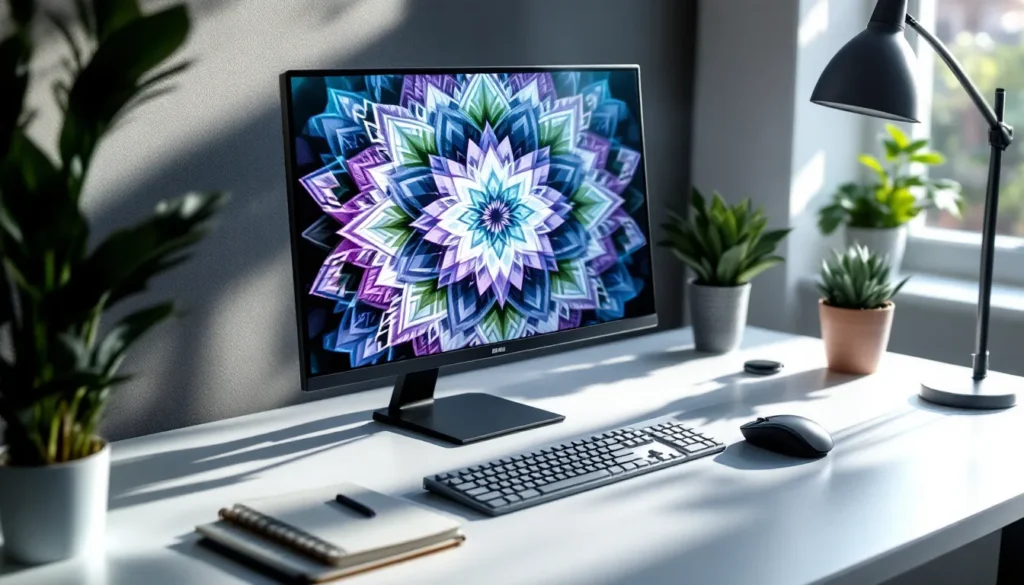
- The result is a mirrored, radial design that looks like a mandala or kaleidoscope.
This technique works best with symmetrical patterns like white, cyan, purple, or pink glazed terracotta.
Multi-Color Pattern Blends
Mixing colors is riskier, but these combos work:
- Red + Orange + Yellow: A warm gradient. Arrange them in stripes or checkerboards for sunset-themed builds.
- Blue + Cyan + Light Blue: A cool gradient. Excellent for ice castles or sky islands.
- Brown + Orange + Yellow: Earthy tones that work well in desert or mesa builds.
- Black + Purple + Magenta: Dark and vibrant. Perfect for End-themed or nether builds.
Avoid: Mixing highly contrasting patterns like green (busy, vine-like) with gray (geometric, angular). They clash visually and create a messy look.
Community builders who share custom designs for Minecraft flooring often recommend sticking to 2-3 colors max per pattern to avoid visual overload.
Creative Building Ideas with Glazed Terracotta
Glazed terracotta shines when used strategically. Here are practical ways to integrate it into your builds.
Flooring and Wall Decoration
Flooring is the most common use case. Glazed terracotta adds texture and pattern to otherwise flat surfaces. Best practices:
- Use symmetrical patterns for large floors: Cyan, white, or lime glazed terracotta work well in halls or throne rooms.
- Alternate with solid blocks: Pair glazed terracotta with concrete, stone, or wood to break up the pattern and add contrast.
- Create borders: Use one color for the floor’s center and a different color (or regular terracotta) for the border.
For walls, glazed terracotta works best as accent features rather than full coverage. Try:
- Vertical stripes using two alternating colors
- Framed panels (e.g., a 4×4 glazed terracotta square surrounded by stone or wood)
- Horizontal bands near the ceiling or floor
Artistic Pixel Art and Mosaics
Glazed terracotta is excellent for pixel art because of its vibrant colors and non-flammable properties. Tips:
- Plan your design in creative mode first. Glazed terracotta is expensive to craft, so test layouts before committing.
- Use external tools: Websites like Plotz or Minecraft-Schematic-Builder let you preview pixel art designs and generate block-by-block instructions.
- Stick to simple designs: Complex images with gradients don’t translate well. Bold, high-contrast images (logos, flags, icons) work best.
For mosaics, try creating abstract art using 16×16 or 32×32 grids. Rotate blocks intentionally to create asymmetrical, modern art pieces.
Accent Features for Modern and Fantasy Builds
Glazed terracotta excels in niche roles:
- Modern builds: Use white, light gray, or cyan glazed terracotta for bathroom tiles, kitchen backsplashes, or lobby floors.
- Fantasy builds: Purple, magenta, or black glazed terracotta works well for enchanted towers, wizard libraries, or portal rooms.
- Nether builds: Red, orange, and magenta glazed terracotta complement nether brick and blackstone.
- End builds: Purple and black glazed terracotta pair well with purpur blocks and End stone.
Another underrated use: non-movable markers. Because glazed terracotta can’t be pushed by pistons, you can use it to mark specific locations in redstone contraptions or adventure maps.
Tips for Mining and Farming Terracotta Efficiently
If you’re planning a large glazed terracotta project, you’ll need a lot of terracotta. Here’s how to farm it efficiently.
Badlands biome strategy:
- Badlands are the best source. Terracotta generates in layers, so strip mining or surface mining both work.
- Bring a beacon with Haste II if possible. This speeds up mining significantly.
- Use an Efficiency V pickaxe (diamond or netherite) for maximum speed.
- Terracotta doesn’t require Silk Touch, it always drops itself.
Clay farming (if badlands aren’t available):
- Clay spawns underwater in rivers, lakes, and swamps. Look for gray blocks on the riverbed.
- Use a shovel for faster mining (though a pickaxe works too).
- Clay balls can be farmed from clay blocks (1 block = 4 clay balls). You need 4 clay balls to craft 1 clay block, which smelts into 1 terracotta.
- This method is slower than badlands mining but works in a pinch.
Dye farming:
You’ll need dyes to color your terracotta. Common sources:
- White dye: Bone meal (from bones or bone blocks)
- Yellow dye: Dandelions or sunflowers
- Red dye: Poppies or rose bushes
- Blue dye: Cornflowers or lapis lazuli
- Green dye: Smelting cacti (common in deserts)
- Black dye: Ink sacs (from squids) or wither roses
Most other dyes are crafted by combining primary colors. Check the Minecraft Wiki for exact dye recipes.
Smelting efficiency:
- Use blast furnaces instead of regular furnaces, they’re twice as fast.
- Set up multiple blast furnaces in parallel. If you’re smelting 1,000 blocks, use 10 furnaces running simultaneously.
- Use lava buckets as fuel if you have access to a lava source. One bucket smelts 100 items, making it the most efficient fuel in the game.
- Alternatively, use blaze rods (12 items per rod) if you’ve built a blaze farm.
Players who regularly build with glazed terracotta often rely on dedicated crafting guides for bulk material gathering, especially when working on large-scale projects or custom servers.
Glazed Terracotta vs. Regular Terracotta and Concrete
Glazed terracotta isn’t the only decorative block in Minecraft. Here’s how it stacks up against alternatives.
Glazed Terracotta vs. Regular/Stained Terracotta:
- Pattern: Glazed terracotta has intricate, directional patterns. Regular and stained terracotta are solid colors.
- Cost: Glazed terracotta requires dyeing and smelting. Regular terracotta only requires smelting clay. Stained terracotta requires dyeing regular terracotta.
- Rotation: Glazed terracotta rotates based on placement direction. Regular and stained terracotta have no directional properties.
- Piston interaction: Glazed terracotta cannot be moved by pistons. Regular and stained terracotta can be pushed.
- Best use: Glazed terracotta is for detailed decoration. Regular/stained terracotta is for solid-color builds or structure.
Glazed Terracotta vs. Concrete:
- Color vibrancy: Concrete has brighter, more saturated colors. Glazed terracotta has muted, textured tones.
- Crafting: Concrete requires sand, gravel, and dye to make concrete powder, which then needs water to harden. Glazed terracotta requires terracotta, dye, and smelting.
- Pattern: Concrete is a solid color. Glazed terracotta has complex patterns.
- Hardness: Concrete has 1.8 hardness (slightly harder than glazed terracotta’s 1.4).
- Best use: Concrete is better for clean, modern builds with solid colors. Glazed terracotta is better for decorative, patterned surfaces.
Which should you use?
- For solid-color builds: Use concrete (brighter) or stained terracotta (muted).
- For patterned floors or walls: Use glazed terracotta.
- For redstone builds that need immovable blocks: Use glazed terracotta (can’t be pushed by pistons).
- For fast, bulk decoration: Use concrete (easier to craft in large quantities).
In practice, most builders mix all three. Concrete for walls, stained terracotta for accents, and glazed terracotta for floors or focal points. Don’t limit yourself to one type, each has its place.
Conclusion
Glazed terracotta is one of those blocks that separates casual builders from detail-oriented creators. It’s not as forgiving as concrete or wood, you have to plan your patterns, manage rotation, and invest time in crafting, but the payoff is worth it. When used well, glazed terracotta turns generic builds into custom designs with personality.
Start small. Pick one or two colors you like (cyan and white are beginner-friendly), practice the rotation mechanics in creative mode, and then integrate them into a real build. You don’t need to cover an entire floor in glazed terracotta, sometimes a 4×4 centerpiece or a decorative border is all you need to make a room feel intentional.
The key is experimentation. Glazed terracotta rewards players who take the time to test combinations, try different placements, and refine their designs. Once you’ve nailed the basics, you’ll find yourself reaching for it more often than you’d expect.