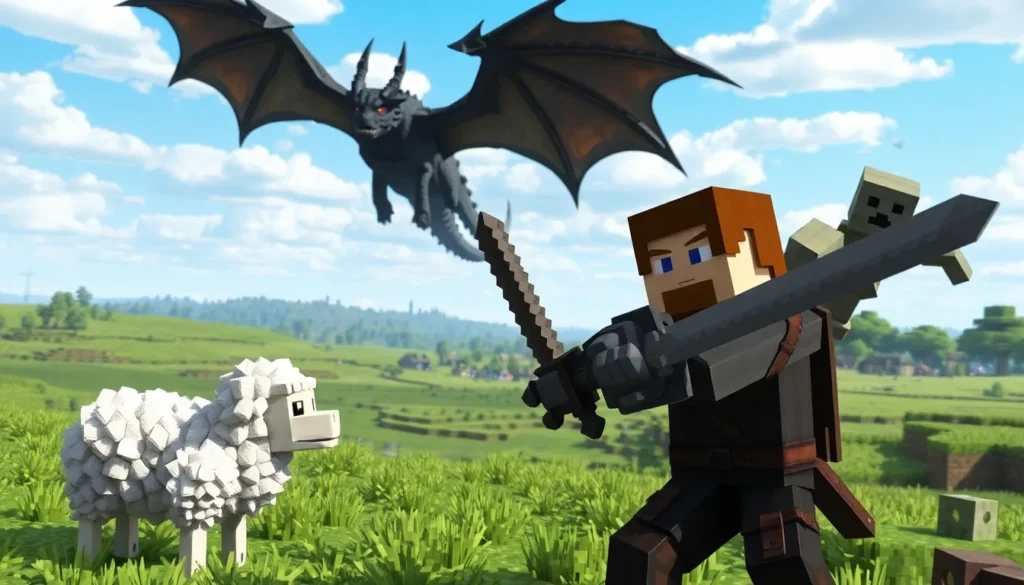
In the vast blocky world of Minecraft, entities are the unsung heroes (and occasional villains) that bring the game to life. From the adorable sheep munching on grass to the menacing Ender Dragon lurking in the shadows, each entity adds a unique flavor to the gameplay. But what if you could unlock the secrets of these digital denizens?
Overview of Minecraft Entity List
Entities in Minecraft encompass various interactive elements that enrich gameplay. Players encounter passive entities like sheep and cows, which provide resources such as wool and milk. Active entities, including mobs like Zombies and Skeletons, add combat challenges to the experience. Unique entities like the Ender Dragon serve critical roles in game progression.
The diversity of entities extends beyond mobs; items and blocks can also be classified as entities. For example, dropped items from defeated enemies or mined blocks remain available for player interaction. Players find that each entity possesses unique behaviors and attributes, influencing how they interact with the game environment.
Creatures behave differently depending on environmental factors. Weather conditions impact entities such as villagers, affecting their trading habits. Entity categorization also includes players, who can be classified as unique entities interacting with the world.
Understanding how entities interact enhances strategy. For instance, knowing the spawning conditions of mobs might help players prepare for combat. The entity list serves as a valuable resource for understanding their attributes and interactions.
Tracking entity data provides insights into resource management. Players can strategize better by knowing which entities yield specific materials. Analyzing these interactions can lead to improved gameplay and resource collection efforts.
Minecraft’s entity list includes numerous entries, each contributing to the game’s expansive world. Engaging with this list helps players familiarize themselves with the various characters and their roles. By mastering the details of entities, players elevate their overall gaming experience.
Types of Entities in Minecraft
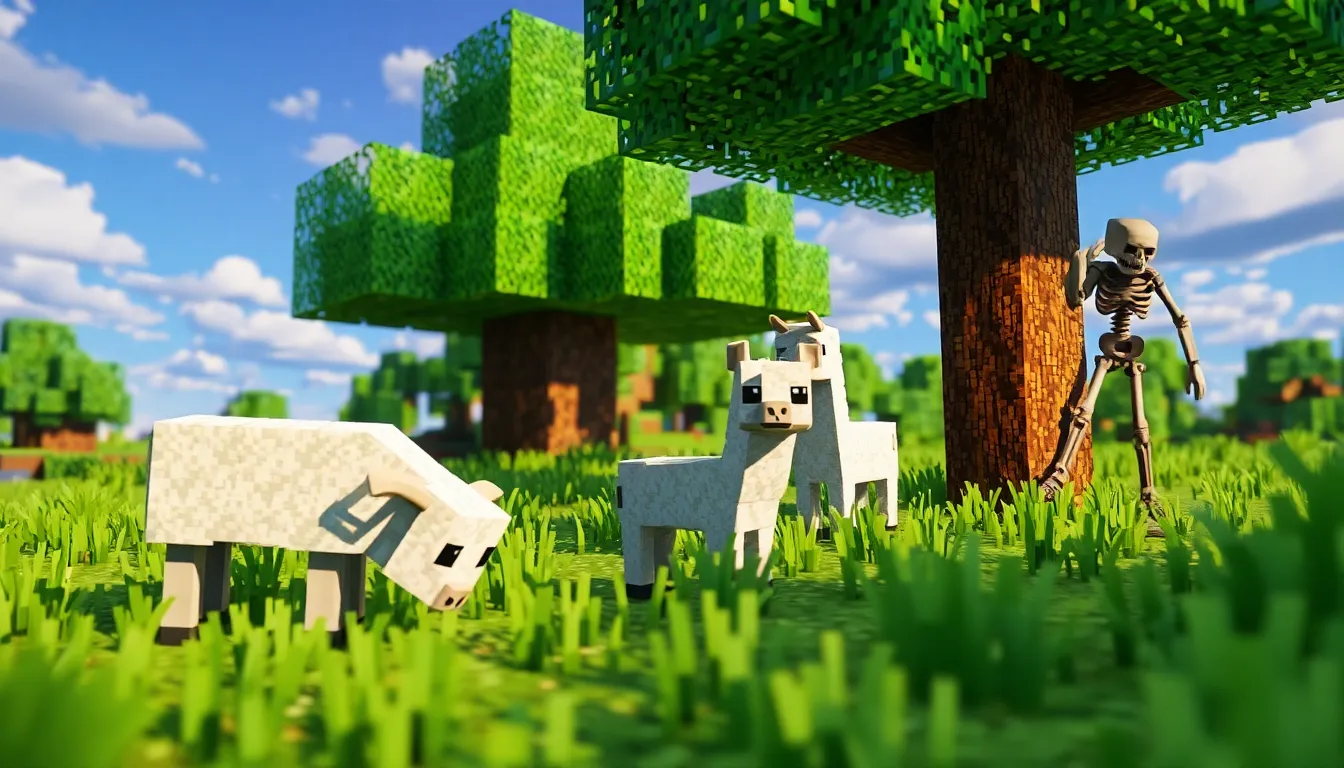
Entities in Minecraft fall into several categories, each influencing gameplay in different ways. Understanding these types enhances engagement and strategic planning.
Passive Entities
Passive entities include animals that don’t pose threats to players. Sheep, cows, and pigs provide essential resources like wool and food, making them valuable for survival. These creatures roam freely and can often be found in various biomes. Players can breed passive entities, increasing their resource availability. Interaction with these entities offers opportunities for crafting and cooking, shaping survival strategies.
Neutral Entities
Neutral entities display unique behaviors, often reacting based on player actions. For instance, Endermen become hostile only when provoked, creating a dynamic interaction. Llamas and polar bears exhibit non-aggressive behavior until their territory is invaded. Players aiming to gather resources must approach these entities carefully. Understanding their triggers can lead to advantageous engagements, enhancing resource collection without unnecessary combat.
Aggressive Entities
Aggressive entities actively target players, presenting combat challenges. Zombies, skeletons, and spiders engage in battles readily. Some, like creepers, offer surprise attacks, creating tense gameplay moments. Players can strategize their approach to dealing with these foes, utilizing weapons and armor effectively. Recognizing specific behaviors and weaknesses of aggressive entities helps in devising successful combat tactics.
How Entities Interact with Players
Entities in Minecraft interact with players through specific behavior patterns and AI functions, shaping gameplay experiences. Understanding these interactions is crucial for effective strategy.
Behavior Patterns
Each entity exhibits unique behavior patterns that influence player actions. Passive entities like sheep wander the terrain, allowing players to gather resources without threat. Neutral entities, such as Endermen, react to player movement, creating opportunities for resource collection or combat evasion. Aggressive mobs, including zombies and creepers, actively pursue players, requiring them to develop defensive strategies and tactics. Players must recognize these distinct behaviors to navigate their environments successfully and optimize resource gathering.
AI Functions
Minecraft’s AI functions play a pivotal role in entity interactions. Passive entities respond predictably, providing resources while remaining non-threatening. Neutral entities utilize complex AIs, adjusting behaviors based on player proximity or actions, which enables strategic resource utilization. Aggressive entities execute aggressive maneuvers by targeting players directly, showcasing their advanced AI programmed to enhance gameplay challenges. Mastering the nuances of these AI capabilities fosters a deeper understanding of entity dynamics, empowering players to improve their game strategies.
Customizing Entities in Minecraft
Customizing entities enhances gameplay and allows players to tailor their experiences. Various methods exist to modify how entities behave or appear, providing limitless creativity.
Modifications and Plugins
Plugins significantly expand customization options for entities within Minecraft. Popular plugins, like MythicMobs and Citizens, enable players to create custom mobs with unique stats and abilities. These tools give flexibility in designing new creatures that offer distinct challenges or rewards. With careful implementation, players can adjust spawn rates and behaviors to fit specific game scenarios. Creators can also define custom actions, like creating quests tied to newly designed entities, enriching the overall experience.
Using Commands
Commands provide a direct way to customize entities without additional tools. By using commands like /summon, players can generate specific entities with chosen attributes. This command allows the creation of mobs with custom names, health points, and equipment. In addition, commands like /effect can apply status effects to entities, changing how they interact with players. Using the command interface effectively enhances gameplay by offering precise control over each entity’s characteristics, creating unique challenges or assistance in gameplay.
Mastering the Minecraft entity list is essential for players seeking to elevate their gaming experience. By understanding the various types of entities and their behaviors players can develop effective strategies for resource management and combat. This knowledge not only enhances gameplay but also fosters creativity through entity customization.
Players can tailor their interactions with the game by utilizing plugins and commands to create unique mobs and scenarios. Whether navigating the challenges posed by aggressive mobs or gathering resources from passive entities each interaction shapes the overall adventure. Embracing the intricacies of Minecraft’s entities ultimately leads to a richer and more engaging experience in this ever-evolving world.