Table of Contents
ToggleCurseForge has become the go-to platform for gamers looking to expand their experience with mods, add-ons, and modpacks across multiple titles. Whether you’re installing Minecraft mods, World of Warcraft addons, or exploring other games, this centralized hub simplifies discovery, installation, and management. Owned by Overwolf, CurseForge functions as both a distribution network and an authoring platform where creators upload projects and earn rewards based on downloads. For gamers, it eliminates the headache of hunting down mods across scattered websites or worrying about malware. This guide walks you through everything you need to know about CurseForge, from downloading your first mod to understanding how creators benefit from the platform.
Key Takeaways
- CurseForge is a secure, centralized mod distribution platform owned by Overwolf that simplifies downloading and installing mods for games like Minecraft and World of Warcraft without hunting across scattered websites.
- Installing mods on CurseForge is straightforward: download the app, select your game, choose a mod or modpack, and launch directly through CurseForge to ensure mods load correctly with your profile.
- Allocate at least 6–8 GB of RAM for modern modpacks and gradually add mods while testing gameplay to avoid system overload and identify compatibility issues.
- CurseForge organizes mods into intuitive categories including performance optimization, quality of life, world generation, and technology/magic, with curated collections and modpacks offering pre-configured bundles for seamless gameplay.
- Creators monetize through download rewards redeemable in the CurseForge store, while benefiting from automatic security scanning, centralized hosting, and exposure to millions of players without managing self-hosted infrastructure.
- Always download from official CurseForge or Overwolf channels to avoid scams, never share passwords with anyone claiming to represent CurseForge staff, and check mod changelogs before updating to prevent breaking changes.
Understanding CurseForge: A Gamer’s Essential Platform
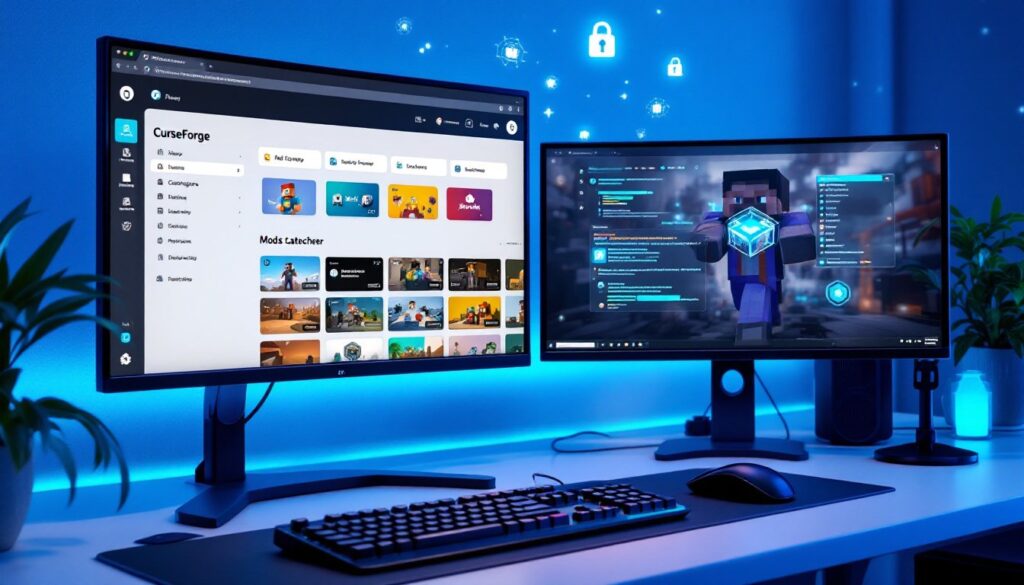
CurseForge is a mod and add-on distribution platform that serves games like Minecraft, World of Warcraft, and others. Think of it as an app store specifically built for user-generated content. It’s accessible through the Overwolf desktop app, which you’ll install and launch to browse, download, and manage mods all from one interface.
The platform’s real strength is its managed ecosystem. Every mod uploaded to CurseForge gets scanned for security issues, version compatibility is tracked automatically, and installations are handled with minimal friction. Unlike hunting through random forums or GitHub repos, you know exactly what you’re downloading and that it’s been vetted. The platform also integrates game launchers, so mods load correctly when you start playing, no manual file shuffling required.
For Minecraft specifically, CurseForge dominates the space. You’ll find thousands of mods covering everything from performance optimization to world generation tweaks, magical systems, and technology overhauls. Version support spans from legacy editions to the latest releases, so whether you’re on Minecraft 1.12 or the current build, there’s content available.
How to Download and Install Mods on CurseForge
Getting mods running through CurseForge is straightforward, even for first-timers. The process mirrors installing any desktop app, but understanding the steps keeps things smooth.
Step-by-step installation:
- Download and install the CurseForge app from overwolf.com
- Launch the app and let it auto-detect your installed games (or manually scan if needed)
- Select your game, Minecraft will appear if it’s installed
- Search or browse for a mod or modpack
- Click “Install” and choose your target game version
- Launch the game directly from CurseForge to activate the mods
The final step matters: launching through CurseForge ensures the correct profile with your installed mods loads. Starting the game from the launcher bypasses vanilla instances.
Getting Started with the CurseForge Launcher
Once you’ve installed CurseForge, the launcher auto-detects games on your system. For Minecraft, it creates separate modded profiles alongside your vanilla installation, so you can toggle between them freely. This is crucial, it prevents mods from breaking vanilla gameplay.
Before installing mods, configure your profile settings. RAM allocation matters for modpacks: most modern packs need at least 6–8 GB, though performance packs run fine on 4 GB. In profile options, you’ll set Java path (for Minecraft), memory limits, and additional JVM arguments. Match your mod requirements to avoid crashes from insufficient memory. After configuration, hit “Play” to launch the game with your selected profile active.
Exploring Popular Mod Categories and Collections
CurseForge organizes mods by category, making discovery intuitive. For Minecraft, common categories include:
- Performance/Optimization – Mods like Sodium, Iris, and Starlight improve FPS and reduce lag
- Quality of Life – UI improvements, inventory tweaks, and convenience features
- World Generation – Biome mods, terrain generators, and structure overhauls
- Technology & Magic – Complex systems adding machinery or magic systems
- Adventure & Exploration – Dimensions, dungeons, and new biomes
Collections and modpacks take the guesswork out of compatibility. These are curated bundles of mods pre-configured to work together, installable with a single click. Popular packs like SkyFactory, Enigmatica, and FTB collections cover survival, quests, and tech-focused gameplay. Beginner packs often feature 20–50 mods, while expert packs can exceed 200+.
For World of Warcraft, categories shift to raiding addons, PvP tools, UI enhancements, and profession helpers. Each game has its own category structure tailored to what players actually need. Browsing by trending downloads or new releases helps surface quality content quickly, CurseForge’s popularity system (via download counts and ratings) naturally bubbles up the best-maintained projects.
CurseForge for Content Creators and Developers
If you’re considering uploading your own mod or add-on, CurseForge provides the infrastructure to reach millions of players. Creators submit projects, define the game, modloader (Forge, Fabric, NeoForge), game versions, and file types. Documentation tools help creators communicate known issues and setup requirements.
Monetization happens through download rewards. Every download your project gets earns points, redeemable for items on the CurseForge store. It’s not a direct paycheck, but popular mods generating hundreds of thousands of downloads create meaningful value. The platform also integrates DevKit resources for troubleshooting and version management, streamlining the update cycle.
Creators benefit from centralized hosting, automatic security scanning, and exposure to a massive player base. Unlike self-hosting on GitHub or personal websites, CurseForge handles distribution, versioning, and user feedback in one place. This infrastructure removes friction between creator and player, which is why the platform has become essential for mod development.
Tips for Safe and Optimal CurseForge Usage
Using CurseForge safely means sticking to official channels and maintaining good practices. Always download from the official CurseForge website or Overwolf app, never from third-party sites claiming to host CurseForge mods. Scams occasionally circulate, and official sources guarantee security scanning.
Personal security matters too. CurseForge staff will never ask for passwords or sensitive data via direct messages. If someone claiming to represent Overwolf reaches out privately, it’s a scam, report it immediately.
On the technical side, match mods to your game version and modloader. A mod designed for Fabric won’t work with Forge, and version mismatches cause crashes. Keep backups of your worlds and save files before updating mods, sometimes updates break compatibility with existing worlds. Check mod changelogs before updating to catch breaking changes. For maximum stability, install mods gradually and test gameplay between additions to isolate which mod causes issues if something breaks.
Performance optimization mods (like Sodium) combined with shaders (like Iris) dramatically improve visuals without tanking FPS. Experiment cautiously: too many mods simultaneously can overwhelm your system. Start with essential mods, then add extras as your hardware allows. Monitoring FPS through debug screens (F3 in vanilla Minecraft) helps identify problematic additions.
Conclusion
CurseForge stands as the ecosystem connecting players to mods and creators to audiences. Whether you’re installing your first curseforge download, exploring a curseforge minecraft mod, or checking out curseforge bedrock content, the platform delivers security, convenience, and massive variety. It’s revolutionized how gamers customize their experience across multiple titles. Download the app, explore what’s available, and join millions of players expanding their gaming worlds.